

I notice that more people enjoy my posts related to saving money. So, today I want to share 10 tips that save food and save money.
Food is one of the biggest expenses people have, but we often spend too much on it, and even throw it away. Learning some simple tips and tricks can make a big difference on your monthly expenses and your ability to save up for a car, vacation, or a down payment on a house.
FOOD WASTE FACTS:
In America, over 80 billion pounds of food is thrown away every year. That’s nearly 40% of the US food supply. The average American wastes 219 pounds of food a year. The average American family throws away $1,600 USD in food every year.
Let’s stop throwing away our money and food! Even if you don’t live in America, there is food waste all around the world. We can all make some small changes and improvements.
Avoid Buying More Than You Need
Evaluating what we really eat in a week is a great place to start saving money and reducing food waste. Start with meal planning to avoid throwing away food and dollars. For example, planning your dinners for the week is an easy way to ensure that you have a use for your food and money before you buy. Use your leftovers for lunches or future dinners to make sure nothing goes to waste, including your money. Stop buying products in bulk that you mostly throw away such as produce. You aren’t really saving money if it goes in the trash.
Think Smart About Your Meat

I’m not going to say that we should stop eating meat. That is a personal choice or even a choice that is not suitable for everyone’s dietary needs. However, we should reflect on how much meat and what kind of meat we are eating. Not to mention, that meat is expensive, and it is only going to become more expensive at the current rate of consumption.
We need to ask ourselves: Can we buy more ethical meat? Can we implement more vegetarian meals throughout the week?
Take a whole chicken for example. A whole chicken that you take home, and roast to your liking will last up to 5 days. You can add it on salads. Use it in a pasta dish. Add it to a stir fry. Take the carcass to make a wonderful stock that you can use for a soup base. One small chicken has a million uses rather than buying our favorite cuts that may not be used to their potential or even thrown away because we forgot about it.
Buying boxes of local meat from farmers or ranchers in your community is another great way to support local businesses and buy smart. Usually, they are a bit more expensive, but we can feel good knowing that we have ethically harvested meat that will be used and enjoyed. And if we are eating less meat in general, one box of premium, local meat will not cost more than buying loads of factory processed meats.
Affordable & Alternative Proteins:
- Eggs
- Avocados
- Lentils
- Spinach
- Broccoli
- Nuts
- Beans
- Dairy Products
- Tofu
- Chickpeas / Garbanzo Beans
- Sunflower seeds
- Mushrooms
Another fun fact: one pound of chickpeas/lentils is cheaper than a pound of ground/minced beef and lasts much longer.
Avoid Buying Premade and Packaged Foods
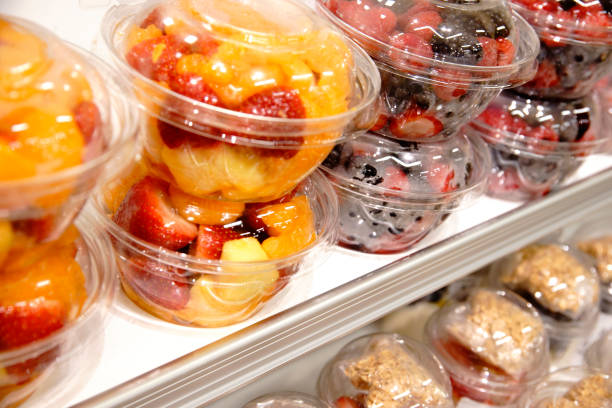
We live in a world of convenience that is killing us, our planet, and our bank accounts. Making food from scratch is a great way to save money, eat healthier, and save our environment.
Look around your kitchen and pantry to see what premade and packaged foods that you use most. Try and make them yourself! It may take a little extra time or upfront investment but buying the ingredients once and making it several times will save money in the long run. Common foods such a salad dressing, sauces, or precut fruits and veggies are a great place to start making or prepping at home.
For example, I haven’t purchased a premade dressing or sauce in over a year because I keep ingredients on hand and learned how to make them (it’s easier than you think). My fridge is always stocked with anchovies, Dijon mustard, and lemons to make Caesar salad dressing (my favorite dressing). I always keep tomato paste around to make a red sauce for my pastas and use any near expired veggies as the base. It’s not as difficult as one might think.
Batch cooking is another great way to take half a day, make your sauces or prep your ingredients for the freezer or fridge. It saves food, money, and time.
Proper Food Storage and Labeling Will Save You Thousands
Taking a little time to store our food makes a huge difference.
- Oxygen is not your friend when it comes to storing most foods. Make sure you have proper containers that seal tight.
- Be sure to transfer any foods such as chips, cereal, rice, beans, and pasta in open bags to closed containers. This keeps them from going stale and spilling inside your pantry.
- Labeling your leftovers with the date they were made is an easy way to make sure you are not throwing away food that is still edible. Most leftover foods are good up to 5 days after cooking them.
- Meats are not meant to be frozen in the packaging from the supermarket. We need to repackage them in freezer safe storage or containers to make sure they do not ruin. Always put a date so you know how long they have been frozen and can use them in a timely manner.
- Washing your lettuce and greens then storing them between paper towels in a container or bag will make them last much longer.
- Keeping foods such as celery, asparagus, green onions, and herbs in a jar with a little water will keep them crisp and fresh for longer.
- Keeping your allium vegetables such as onions, garlic, and shallots stored in a cool dark place with your potatoes keep them from germinating on your countertop.
Buy Produce That Lasts Longer
Produce is the number one food that gets thrown away. However, some fruits and veggies last longer than others. With that said, keep in mind that you don’t know how long the produce has been sitting in the grocery store or on a food truck. That will change how long they are good in your fridge.
Here are some veggies and fruits that will outlast your tomatoes and lettuce:
- Root vegetables such as potatoes, squash, onions, garlic, sweet potatoes, and yams will last a long time in cool dark places
- Apples will last up to a month in the pantry. Keeping them in the fridge will save them up to two months.
- Cabbage will last a long time if you don’t wash it. Only wash it when you are going to use it. If you see any dark or bad spots, be sure to remove them then store it in the veggie drawer.
- Citrus fruits (lemons, limes, and oranges) will last up to two weeks on the counter. However, if you store them in the fridge, they can last up to a couple of months. Don’t store them in plastic bags or containers, though, as that will promote mold growth.
- Garlic, untouched, can last up to six months (keep in mind that you don’t know how long it has been in the supermarket when you buy it). However, once you cut into a clove, it will go bad after a week.
- Carrots, depending on how good they are to begin, will stay fresh in the fridge for up to a month. Store them in the veggie drawer open or in a clean plastic bag. After you cook carrots; however, they will not be good after a week like your other leftovers.
- Brussel Sprouts are another food that last a long time in cold temperatures. If you can, store them around 32F or 0C and they will last up to 5 weeks (such as a root cellar). In the fridge, they will last up to two weeks in a clean plastic bag in the veggie drawer. Keep them nice and dry until you are ready to cook them.
- The Brassica family, e.g., broccoli, cauliflower, rutabagas, lots of cabbages, bok choy, collards, etc., are another great source of long-lasting veggies. Be sure to keep these veggies clean and stored in the fridge crisper.
Food Scraps Can and Should Be Used

The ends of our carrots, skins of our onions, and potato peelings have a second life. We can save our veggie scraps from peppers, lemons, tomatoes, carrots, celery, garlic, lettuce (and more!) in a freezer bag. Once you have a full bag, you can make a vegetable stock. I save my potato peelings, soak them in water, pat them dry, and add my favorite seasoning to make chips. Crisp them in the oven and you have a wonderful snack. Stale bread can be used for breadcrumbs in a food processor or croutons on a salad. I keep my parmasean rinds in the freezer to add to pasta sauces for extra flavor and thickening. Take the extra time to find alternative uses for your food.
If you have little animals such as chickens or rabbits, be sure to give them any scraps you don’t have time to repurpose. Even the birds will enjoy your leftovers. Alternatively, compost is a great way to reduce food waste. Check if your community has a compost program, or you can start a compost pile in your yard.
Cleaning Out Your Fridge and Pantry Once a Week
My least favorite chore is cleaning the fridge. However, I make sure to go through the fridge and pantry every week to see what leftovers need to be eaten or reused, what produce is soon to expire, or what pantry staples I can use instead of going to the supermarket.
Cleaning the fridge is also a good way to make sure the foods that are soon to expire are moved to the front, so you are more likely to eat and use them. Always remember the rule: First In, First Out (FIFO).
Buy Seasonal and Stay Local
Don’t you think it is bizarre that someone in the Northern hemisphere can buy a pineapple in December? That’s not normal. Or at least, it shouldn’t be normal.
Buying produce in season is an easy way to save money and support local farmers in your community. This is going to depend on where you live and your climate. So, it is important to do some research on what produce is from your area and try to incorporate it into your diet more often and in season.
Invest in Speciality Ingredients
I find it frustrating when I have a recipe I want to try, but there is a list of ingredients that I don’t have (and are usually expensive). However, if you really enjoy a specific style of food that uses key ingredients in most dishes, it is worth the investment. It keeps you from ordering take out and encourages you to learn more cooking techniques and methods.
For example, I really enjoy Chinese and other Asian style cuisines. So, I know that purchasing ingredients such as fish sauce, rice vinegar, oyster sauce, and sesame oil are worth the investment because I will choose recipes that use them repeatedly and keep me away from take out.
The same can go for any style of cooking you enjoy. Do some research on the most used or key ingredients and, one by one, curate a pantry that makes you excited to cook.
Use What You Have
My final tip is to use what you have. It is so easy to go online, find a recipe, then purchase more food to make one meal. However, most people have enough food in their kitchens to create a meal on the fly. I enjoy using apps like Supercook to help me out when I am feeling uninspired. You input the ingredients you have on hand, and it generates a list of recipes you can make with what you have.
Of course, there are several apps like this available. I find that I really enjoy this app so try it out! I use it at least once a week.
Also, being able to know what foods can substitute each other is an invaluable skill when cooking. You can read a new recipe and know how to use the ingredients you have, rather than going to the store. Don’t be afraid to try something new.
My mother and I like to play a game called “grocery chicken” where we see how long we can go without going to the supermarket. It’s a great way to use up your pantry, freezer, and fresh foods. You will be genuinely surprised how long this game can go.
Take Away
We should all be more conscientious about the food we buy, eat, and waste. Not only can it save us money, but it helps our communities. If you are in a financial position to help those in your community, reach out to local programs and charities to donate. Even if you cannot afford to buy food for someone else, consider donating your time at a food bank or soup kitchen (if it is possible due to COVID 19).
We can all do something to reduce food waste and make sure resources are spread more evenly in our communities.
If you have any other tips to save food and money, leave a comment below!
Also, check out my post 6 Lifestyle Habits to Save Money for your Next Vacation for more tips on saving money. It’s a practical guide for saving money for any major savings goal in your life.


 Adra Writes
Leave a reply to 5 Quick & Easy Strategies to Save Cash – Eliza Writes Cancel reply