
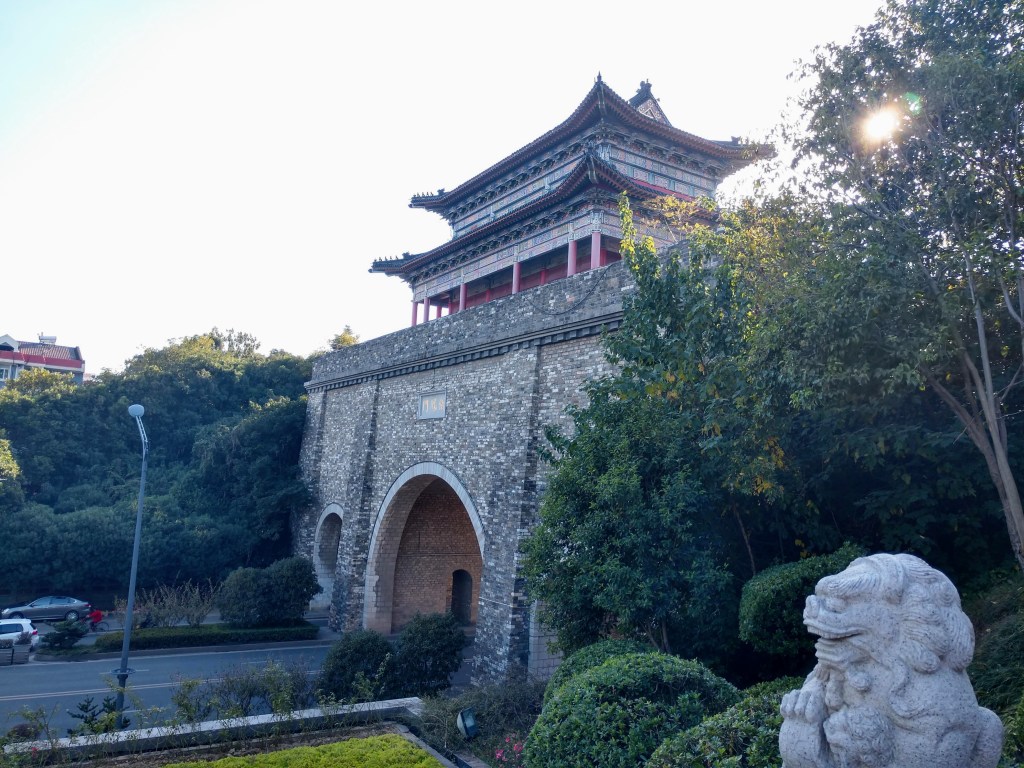
Leading up to this pandemic, I had been living in China for approximately 1.5 years. By ex-pat standards, that is still a newbie or fresh off the boat. However, I had finally gotten to a point where the euphoria of living in a new place, being scared, overwhelmed, attempting to learn Mandarin, and all the other things people go through had worn off. Some people described it as: My bubble had been popped.
I had made some friends, established a social life, gotten on well with my co-workers, mastered public transport, and found some nice hangout spots for a drink or a good meal. I had even done some considerable travel for such a short time around all but the southwest of China. All in all, I had done pretty well for myself up till February of 2020.
So with that being said, I wanted to share my personal views and experiences on what life is really like in China. Now, keep in mind while reading this that an ex-pat who say lives in Shanghai, Shenzhen, or Guangzhou would have a vastly different perspective. They have infinitely more ex-pats, westerner businesses, and things to do in a general sense. I live in a small city (if 8 million people can be small) by China standards and it is labeled a tier 2 city, so the overall quality of life is lesser than those mentioned before.
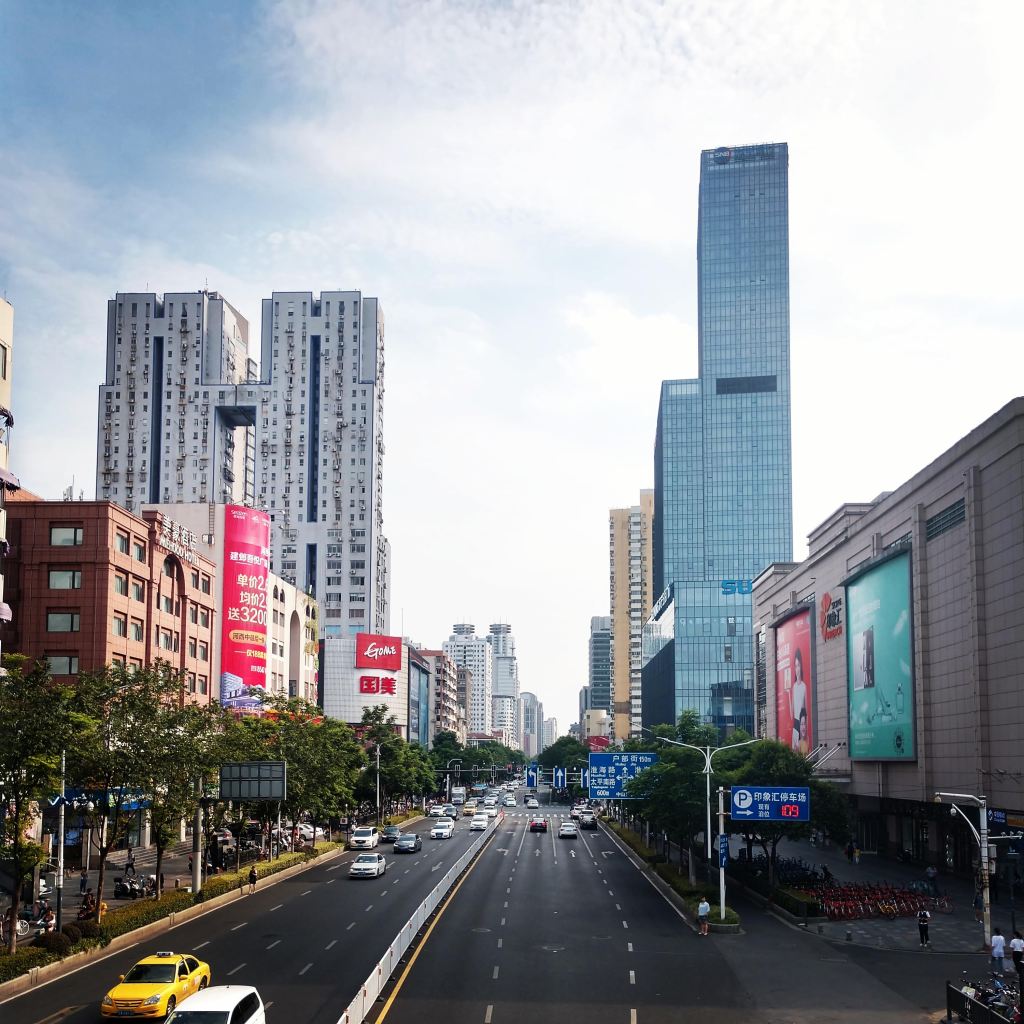
Let’s start with the “good”
- Traveling around China has endless possibilities and destinations
I think people underestimate how large China is and how much the culture varies from region to region. Each area has its own dialect, food, views, and attitudes that a person can only try to understand as an outsider looking in.
There are destinations for adventurers, budget travelers, extreme luxury, shopping, urban dwellers, foodies, cultural heritage, history buffs, etc… You name it they have it. It is amazing to have endless choices for a weekend trip or even a month-long trip.
2. Transport is CHEAP and easy to use
I personally prefer to travel by train if going out of my city. Train stations are easy to navigate, tickets are easy to purchase, and are more than reasonably priced. Signage in stations and even metros have both Chinese, English, and names of places or stops are in pinyin, which is easy to read if you are looking for your stop.
Metros or subways are almost always available in semi-large cities, and they are easy to use. Even in large cities, it is easy to find someone who can speak enough English to answer a question or direct you if you need help.
Taxis or Didis (Didi is the Uber of China) are generally safe and affordable depending on how far you are going. Just make sure you can give the name of your destination to your driver, and you should be good to go.
3. You can maintain your lifestyle
In the larger, more developed cities, a foreigner has so many options in terms of food, nightlife, and activities that they don’t really have to adjust their general lifestyle. Of course, most western styled restaurants are more expensive than a noodle shop, but most westerners are also making more money with fewer monthly expenses comparatively speaking.
Even if you are in a smaller city with fewer options, it is easy to pop on a train and have a nice weekend in a larger city with more options.
Now let’s transition to the “could be better,” as we know ANY country or place is going to have some downfalls.

- Other Ex-pats
Now, this may be an unpopular opinion, but in my experience most other ex-pats suck. Especially in China, you find yourself surrounded by old and young white men who suffer from Yellow Fever (a complete obsession with Asian women) and they are generally the scum of their former societies.
However, in China, they find themselves to be the Alpha male they always dreamed of and therefore walk around like an exiled king. Have caution with this idea as it obviously does not apply to every white man who relocated himself to China (I have met some very nice people along the way to persuade this opinion), but it is a good rule to live by when meeting new people in my experience.
In addition to this, you will find that a lot of ex-pats are also somehow broken, running away from their former lives, and have some kind of functioning alcoholism. I think you can all imagine how this would be a “could be better” when trying to meet decent people.
2. Adjusting to the drastic difference in culture
If you are from the “western world” it is a vastly different place to find yourself living in. The food, way you eat food, language, attitudes, behaviors, general worldly views, the list could go on and on. Chinese culture is a never-ending onion of peeling back layer after layer if you try to fully understand the culture. Some things are a bit easier to understand or even accept than others, but at the end of the day, a person who chooses to live anywhere other than their home country should respect differences. If a person cannot have respect, then they should not be living there.
If you are a person who is interested in learning more about Chinese culture, the best advice my students have given me is to learn Chinese. The language and culture are deeply connected, which brings me to my final point…
3. Learning Chinese is a struggle
Learning a language is a challenge for most people, but I must say that Chinese (at least for myself) is exceptionally difficult to learn. The writing system is obviously a great hurdle, especially if you are at a restaurant and trying to navigate a menu with no pictures.
But my biggest qualm when trying to use Chinese is that some people are not willing to negotiate with you. It’s almost like if you don’t say it perfectly or use the words they prefer, they will make no effort to understand you. It is highly discouraging to practice and learn phrases when you are going out and looking for a specific item and only to be met with impatience for trying your best. This doesn’t happen every time, but it happens enough to dissuade people from making further efforts to learn and use Chinese.
Also, dialects vary from region to region. So if you go to another city or area you may find yourself completely unable to communicate, even though you have “learned some Chinese.”
With that said, I have also met a lot of very kind and patient people who have gone out of their way to assist me with the language as well. The key point is to be consistent and persistent and not let other people affect your attitude if you want to learn another language.
Final Thoughts:
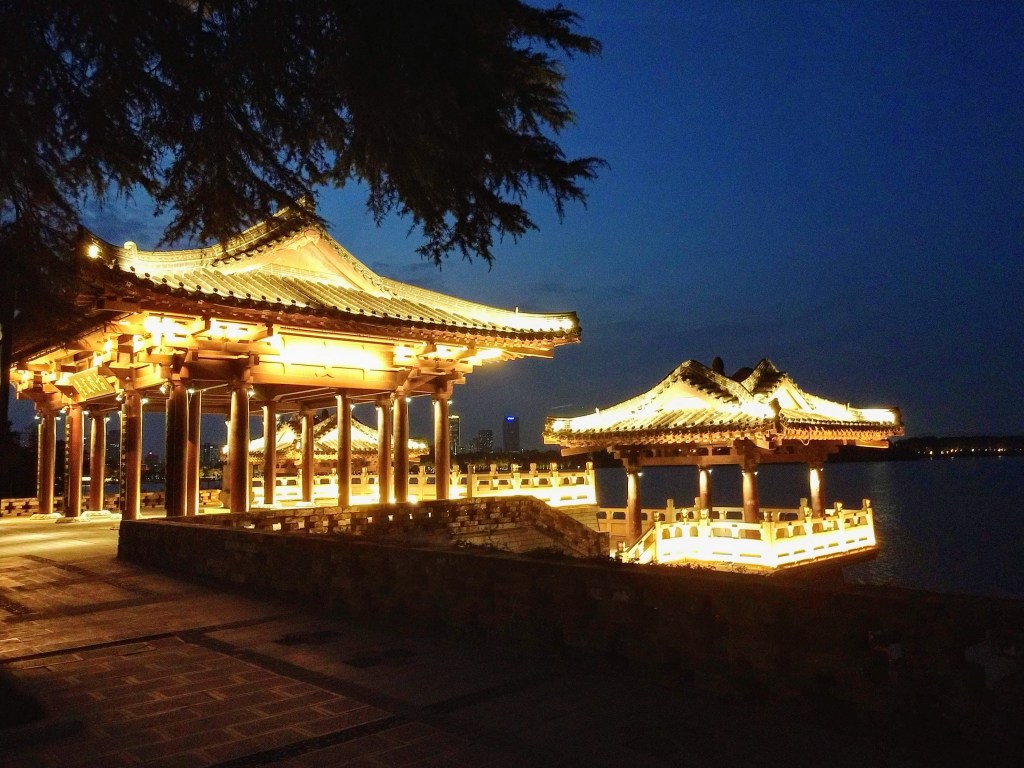
If you made it this far in reading the post, I firstly thank you for your time. I would only like to say that these are just my opinions and they are subject to change with more time and experience. Also that this is not an extensive list of what it is like to live in China. These are just a few points I think are important to share.
If you are or were an ex-pat in China or another country, I would love to hear what you think about the challenges and advantages of living abroad are in the comments.


 Adra Writes
Leave a reply to elizawrites Cancel reply